Oct 01 2026
How to Pick a High-Rise Apartment Aluminum Window Manufacturer in Delhi NCR
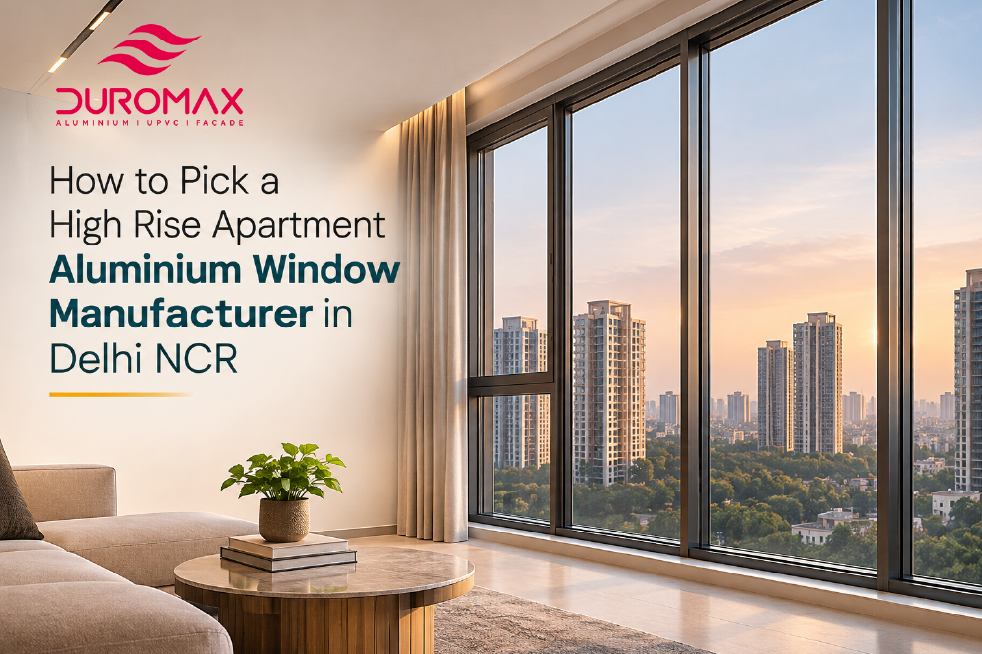
A window specification for a high rise apartment tower gets finalised somewhere in the middle of construction, and it is usually on a busy week with a dozen other decisions waiting. But the consequences of these haphazard and quickly made decisions can arrive years later when nothing about the purchase can be altered. If there’s air whistling through a frame on the twentieth floor or a glass unit that is quietly fogging up from the inside or even a sealant that gave up after two monsoons and is letting water reach a finished bedroom wall. None of these problems is rare in NCR buildings where the manufacturer picked everything based on price alone, and when almost all of these future problems were avoidable.
Why Height Changes Everything
If you check anywhere above the tenth or twelfth floor, the wind tends to behaves differently. Pressure differences across the facade grow noticeably, the gusts hit harder and rain also gets pushed sideways into joints that would stay dry at the second floor. A window that performs well near the ground may not hold that performance at the twenty fifth, which surprises more people than it should.
So the profile walls need to be heavier, the hardware needs higher load ratings and the glass unit has to account for both wind and noise at that elevation. The sealing method also has to cope with pressure swings that a low rise installation never meets. The best window manufacturers working in this segment can show all of this on paper, with test reports for air infiltration, water penetration under simulated wind and structural deflection under load. A supplier who hands these over without fuss is worth taking seriously. One who offers a showroom tour and a brochure is telling you something too.
Thermal Breaks and the Delhi Climate
Summers in Delhi are especially brutal and winters are way colder than most people expect. This makes thermal performance in the buildings in the NCR area far more significant than those procurement meetings are willing to admit. A thermal break profile has a polyamide strip separating the inner and outer aluminium sections, and that small strip cuts heat transfer across the frame in a big way. Cooling loads are dropping in summer and the heat loss has to ease in winter.
Plain aluminium profiles without a break cost less on the purchase order and more across the life of the building. In any project where energy use is being taken seriously, leaving out the thermal break undoes much of the good work done on glazing and insulation elsewhere. The savings at purchase are real. The cost over the following years is also real, and usually bigger.
Hardware Is Where Savings Turn Into Problems
Hardware including hinges, handles, friction stays, locks and the weather seals that are constantly in a state of compress when a window closes, become the deciding factors of whether a system will work smoothly for fifteen years or is starting to sag within just three. In really tall buildings, reaching a window for repair after handover is a tremendous effort which not all are willing to take. A failed handle on the nineteenth floor is definitely not a quick fix, it usually needs access equipment and a very patient resident.
High end window manufacturers in this segment use hardware from recognised suppliers with documented load ratings, and they treat it as part of the system instead of a line item to trim. When comparing quotes, ask for the hardware brand by name. The answer says a lot about how the rest of the system was put together.
The Glass Matters as Much as the Frame
If you have double glazed units with good spacer bars and strong edge seals, they will give far better acoustic performance than single panes ever could. This counts for a lot in buildings which are built adjacent to busy roads, near expressways or under flight paths. There’s also solar control glass on south and west facing facades which will cut heat gain without making the apartment feel shut in.
And the best window suppliers for serious high rise building work are known to balance these needs for each unique orientation, rather than applying one specification to the entire building without any personalisation. A north facing bedroom and a west facing living room do not need the same glass and a supplier who understands this will usually say so before being asked.
How to Check a Manufacturer Before Committing
The most reliable test is to visit a completed building they have supplied and speak with the contractor or developer about the whole experience. Not only product quality, but measurement accuracy, delivery timing, how defects were handled and what happened when something went wrong. That conversation tells you more than any showroom ever will.
It also helps to ask how many floors the largest completed project had and how long ago it was finished. A tower that has stood through three or four monsoons is better evidence than a render.
Duromax Building Systems supplies aluminium windows for high rise residential and commercial projects across Delhi NCR, working with tested profile systems and glass units suited to each project’s thermal and acoustic needs.
FAQs
-
What is a thermal break aluminium window and why does it matter?
Ans. A thermal break profile has a polyamide strip separating the inner and outer aluminium sections, which reduces heat transfer through the frame. This lowers cooling costs in summer and cuts heat loss in winter across Delhi NCR’s full climate range.
-
How are windows from high end window manufacturers tested for wind and water resistance?
Ans. Manufacturers with certified systems provide reports for air infiltration, water penetration under simulated wind pressure and structural deflection under load. These should be requested and read before any supplier is finalised.
-
What glazing suits south and west facing apartments in Delhi NCR?
Ans. Solar control double glazed units with a low e coating and suitable spacer bars reduce heat gain while keeping good daylight inside the apartment.
-
How important is hardware quality when choosing the best window suppliers?
Ans. Very important. Hardware in tall buildings is hard to reach after handover, so recognised brands with documented load ratings reduce the chance of failures in the years that follow.
-
What separates the best window manufacturers from standard suppliers in NCR?
Ans. System certification, profile quality, hardware from recognised makers, experience with high rise loading and a track record on comparable projects that can be checked with earlier clients instead of marketing material.
 How Interior Designers and Architects in Delhi Select High-End Windows & Glazing Options
 How to Choose the Best Laminated Glass Manufacturer for Sturdy and Secure Glazing
 An Overview of Aluminium Glass Railings for Contemporary Architectural Projects in Delhi NCR
 How to Pick a High-Rise Apartment Aluminum Window Manufacturer in Delhi NCR
 Georgian Bars Windows: Expert Guide to Modern Georgian Bar Aluminium Windows