Sep 17 2026
Georgian Bars Windows: Expert Guide to Modern Georgian Bar Aluminium Windows
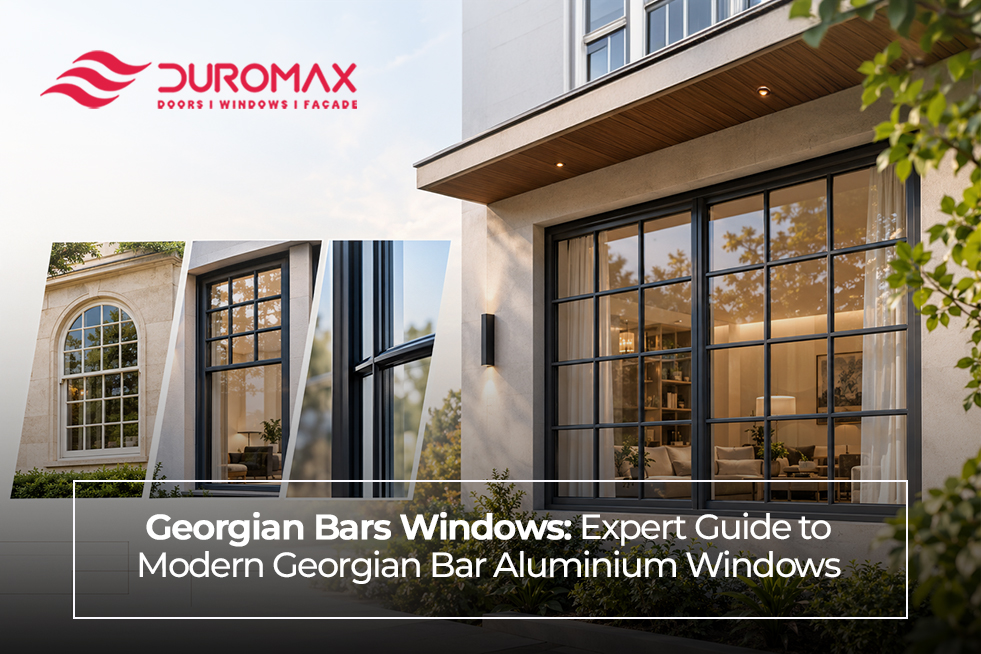
The interior designer in South Delhi who works primarily on heritage property restorations described the Georgian bar windows specification as the detail that most consistently divides contractors into two categories. The ones who have done it properly and the ones who have installed what they describe as Georgian bars and produced something that looks wrong to anyone who has spent time in spaces where it is done right.
She said the difference is almost always in the relationship between the bar width, the glass area it divides and the depth of the bar profile. The correctly proportioned Georgian bar window reads as elegant. The incorrectly proportioned one reads as a grid applied to a window as decoration rather than as an integral part of the window’s visual character. She said this is a detail that rewards getting right and punishes getting wrong in equal measure.
What Georgian Bars Are and Where They Come From
Georgian bars, also called glazing bars or astragal bars, are the narrow structural or decorative bars that divide a window into multiple smaller panes. In traditional Georgian architecture, the bars were genuinely structural because the glass manufacturing technology of the period could not produce large panes. The window was assembled from many small panes held by lead or wooden bars because that was the only way to glaze a window of any significant size.
The visual character that results from this technical constraint, the regular grid of small panes with the delicate profile of the bars between them, became associated with a specific architectural aesthetic that architects and designers have specified for reasons of character rather than structural necessity ever since the manufacturing constraints that created it were resolved.
Modern Georgian bar windows reproduce this visual character using contemporary window systems. The bars may be structural, dividing the window into genuinely separate panes, or they may be decorative, sitting on the interior or exterior surface of a larger pane or sandwiched between the panes of a double-glazed unit to create the visual impression of multiple panes without the thermal performance penalty of multiple frames.
Half Georgian Bar Windows
Half Georgian bar windows are a specific configuration where the Georgian bar grid covers only part of the window area rather than the full glazed face. Typically the bars occupy the upper portion of the window and the lower portion remains as a single undivided pane. This arrangement references specific historical window types where the upper sash of a double-hung window was glazed with divided lights and the lower sash was left as a single pane for unobstructed views.
Half Georgian bar windows are specified in contemporary residential projects both for historical reference in heritage contexts and as a design detail in modern Georgian bar windows where the contrast between the gridded upper section and the open lower section creates visual interest and proportion that a fully divided or fully undivided window does not.
Georgian Bar Aluminium Windows
The translation of the Georgian bar window into an aluminium profile system raises specific design decisions that steel and timber systems do not require in the same form. The profile width of the aluminium bar determines the visual weight of the grid. A bar that is too wide relative to the pane size it creates reads as heavy. A bar that is too narrow fails to register as a positive design element. The correct width is a function of the pane size, the glass area of the window overall and the architectural scale of the building.
Georgian bar aluminium windows can be detailed in several ways. The structural bar configuration, where each pane is genuinely separated by a full-depth aluminium profile, produces the most authentic appearance and the best thermal performance because there is no glazing material continuous across the bar. The applied bar configuration, where a decorative bar element is bonded to the surface of a single large pane or sandwiched within a double-glazed unit, produces the visual impression of division without the thermal performance of actual structural division.
The choice between these approaches depends on the performance requirements of the project, the budget and the degree of authenticity required by the design intent. Heritage restoration projects almost always require the structural bar configuration. Contemporary residential projects using modern Georgian bar windows for character rather than historical accuracy often accept the applied bar approach for the thermal performance advantage it offers.
Modern Georgian Bar Windows in Contemporary Architecture
The modern Georgian bar window is not an attempt to make a contemporary building look old. It is the use of the Georgian bar pattern as a design element within a contemporary facade, often at different scales, proportions and colour specifications from the traditional version, to add visual texture, rhythm and character to a glazed opening that would otherwise be a simple undivided pane.
White Georgian bar aluminium windows against a dark frame, or dark bronze Georgian bar profiles against a contemporary brick or stone facade, are design choices being made in premium residential projects across Delhi NCR that are explicitly contemporary rather than historical in their intent. The bar is a design tool rather than a period reference when used this way and the specification of the bar profile, the pane proportions it creates and the colour relationship between the bar and the frame all need to be deliberate design decisions rather than defaults from a product catalogue.
Duromax Building Systems in Gurugram manufactures aluminium windows and doors including Georgian bar configurations as a preferred Indian partner of Schuco, with nine quality checks before dispatch, customisation through powder coating and anodising across a wide colour range and 100 plus prestigious projects across India.
FAQs
-
What are Georgian bars windows and why are they specified?
Ans. Georgian bar windows divide the glazed face into multiple smaller panes using structural or decorative bars. They were originally structural necessities in the Georgian period when large glass panes were technically unavailable. They are now specified for the visual character, rhythm and architectural reference they provide rather than for structural reasons.
-
What is the difference between structural and applied Georgian bar aluminium windows?
Ans. Structural Georgian bar windows have full-depth aluminium profiles genuinely dividing the window into separate panes, producing the most authentic appearance and the best thermal performance. Applied Georgian bar windows have decorative bar elements bonded to the glass surface or sandwiched within a double-glazed unit, creating the visual impression of division without genuinely dividing the glazing area.
-
What is a half Georgian bar window?
Ans. A window configuration where the Georgian bar grid covers only part of the window, typically the upper portion, leaving the lower portion as a single undivided pane. It references specific historical window types and creates visual interest through the contrast between the gridded and open sections.
-
What bar profile width is correct for Georgian bar aluminium windows?
Ans. The correct bar width is a function of the pane size the bar creates, the overall glass area of the window and the architectural scale of the building. Too wide reads as heavy. Too narrow fails to register as a design element. The proportional relationship between bar width and pane size is the critical dimension.
-
Does Duromax supply Georgian bar aluminium windows in India?
Ans. Yes, Duromax Building Systems manufactures Georgian bar aluminium windows as a preferred Schuco partner with customisation through powder coating and anodising across a range of colours and profiles.
 Georgian Bars Windows: Expert Guide to Modern Georgian Bar Aluminium Windows
 Structural Glazing System: How to Choose the Right Facade Engineering Firm in Delhi
 How to Evaluate a Sliding Door Manufacturer for Quality and Performance
 How to Choose Aluminium Windows Manufacturers in India for Your Project
 The Role of Aluminium Window Fabricators in Sustainable Green Building Projects