Oct 06 2026
An Overview of Aluminium Glass Railings for Contemporary Architectural Projects in Delhi NCR
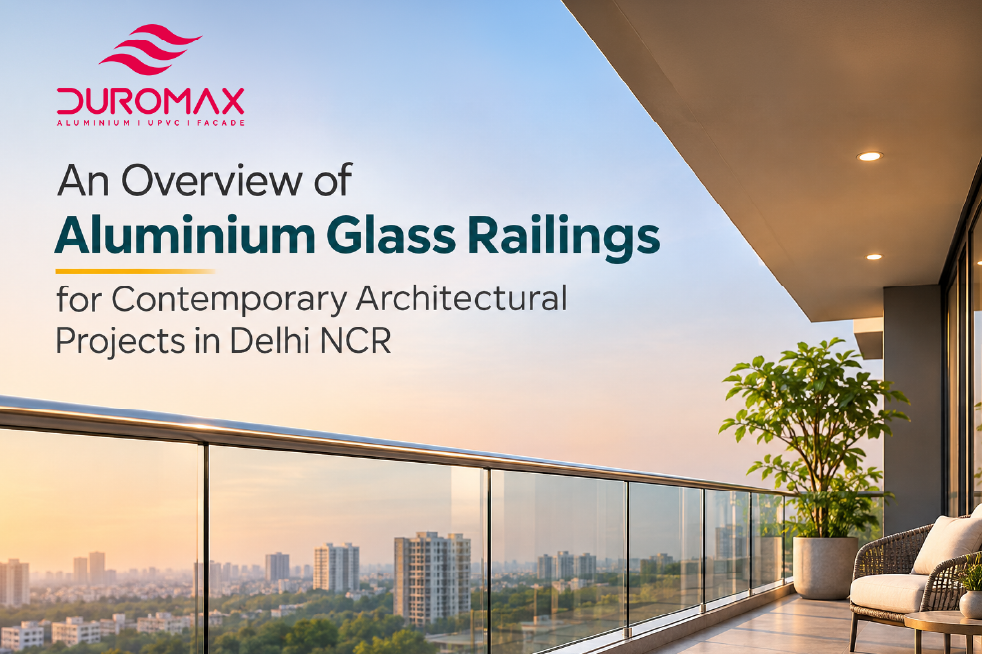
Here’s a task for you, you should go and stand on the balcony of any apartment block in Delhi or Gurgaon that was built a good ten or fifteen years ago and just closely observe the railing for a minute. You are bound to notice some ugly orange patches, flaking paint, a brown streak running down the wall below every second bolt, and somebody inside grumbling that the rust has reached the floor tiles again. It is a very familiar sight and a rather tiring one, because the repainting never really ends. Fixing it now costs a lot more than a better railing would have cost on day one, which is the main reason aluminium glass railings Delhi NCR projects choose today have become the usual answer for balconies, staircases and terraces.
Why Steel Lost the Argument
The shift to aluminium is owed to the simple fact that it does not rust. A grille section that has been powder coated or anodised properly with aluminum will definitely sit through several monsoons and look almost the same afterwards, whereas the steel one will warrant attention of painting every year or two whether you like it or not. Glass panels ask for very little once they are specified correctly, and a damp cloth does most of the cleaning.
The glass itself needs a closer look though. If you put tempered glass and in case it breaks, it will crumble down into small rounded pieces instead of long sharp shards. Whereas laminated glass behaves quite differently, since there’s a PVB layer sitting between the panes and holding the broken bits in place, the panel stays standing even with cracks running across it. You will usually find laminated panels at head height in public areas or anywhere a falling fragment could hurt somebody.
What the Railing Actually Has to Carry
Before colours or looks even come up in the conversation, there is the simple and straightforward question about its strength and durability. A railing has to stand strongly against a sideways push at the top rail almost all of the time. People tend to lean on balcony railings, be it children while playing or people putting up laundry, sometimes even just the occasional long phone calls with elbows resting on the top. Everything else in the specification sits on top of that requirement.
How the glass is held changes the answer quite a bit. A frameless system with panels standing in a deep base channel behaves differently from a post and panel system where a top rail joins the vertical posts. Both work well. The better pick depends on the span between supports, the height of the building and what the railing will be asked to do for the next twenty years.
Thickness should be decided on and settled early and not left towards the end to make a decision. For bays between 1200 and 1500mm, 12mm tempered glass or 10.38mm laminated glass is a common starting point. If you take the case of wider spans or special safety, they definitely call for some thicker and heavier material. A structural engineer should always whether this choice for the kind of material at a serious height was done or not. Good railings manufacturers will always talk about these things almost as comfortably as they talk about finishes, and a supplier who will only bring up superificial things like colours has left a gap that will show itself later.
Tempered or Laminated, a Simple Test
Thus it becomes pertinent to ask the suppliers about which glass they propose for a particular balcony and why. Somebody with real site experience will always answer in a sentence or two and will mention the span, the floor level or the traffic noise outside,all valid points. A weaker supplier says whichever one costs less, and then changes the subject.
Sound is worth a thought as well. Laminated glass will cut loud noise much better than say tempered glass of the same thickness because the PVB layer soaks up some of the vibrations. Especially along a busy road that can be reason enough to choose it, even when strength was the original worry.
The Bits Nobody Photographs
Most brochure pictures show clean glass and a neat top rail in good light. What fails first in real life is usually something small and boring. A bolt that was not tightened properly. A gasket that dried out. A base channel where water collects and sits through the whole of July.
Look closely at the base of a finished installation if you get the chance. See whether the drainage slots are clear, whether the fasteners are stainless and whether any glass edges have chips. These details show how careful the installer was, and no amount of sales talk can hide them.
Finishes That Hold Up
You should know about what difference it makes when you put powder coating and merely anodise. Both powder coating and anodising suit outdoor aluminium in the Delhi NCR conditions. Where powder coating gives a wider colour range and works for most projects, anodising makes a harder surface that suits places where scratches matter more than colour.
The major factor between the kind of suppliers you choose is definitely that of the quality. A poor coating will fade, turn chalky and start peeling within the first few years. Whereas a good polyester powder coat from a recognised maker, applied and cured properly, can hold its colour for fifteen years or more. Asking which coating brand a supplier uses is thus an important question and it says plenty about how seriously the finishing is treated.
Matte black and anthracite grey frames with clear or lightly tinted glass remain popular across residential and commercial work. They tend to age gracefully, which is more than can be said for most trends.
Questions to Carry to a Supplier
A short list does the job. Which glass type and thickness for this span? Who measures on site, and who takes responsibility if the measurement is off? Which coating brand? Can a finished installation be visited, preferably one that has seen a few monsoons? What happens if a panel cracks after handover?
Aluminum railing manufacturers Delhi NCR buyers can usually answer all of this without any hesitation. The ones who hesitate have either not been asked before or have answers they would rather keep to themselves. Duromax Building Systems supplies aluminium glass railings for residential balconies, commercial staircases and rooftop terraces across Delhi NCR.
FAQs
- What is the difference between tempered and laminated glass in aluminium glass railings Delhi NCR projects use?
Ans. Tempered glass breaks into small rounded pieces. Laminated glass holds together after breaking because of the PVB layer between the panes, so it is chosen where retained integrity after breakage matters.
- What load standards apply to balcony railings from railings manufacturers in India?
Ans. The National Building Code sets minimum horizontal loads for balcony and staircase railings. A structural engineer should confirm the right specification for each project’s height and use.
- Which finish lasts longest on outdoor aluminium railings?
Ans. A quality polyester powder coat, applied and cured properly, performs very well. Anodising is harder and more resistant to scratches but offers fewer colours. Both suit NCR conditions when done correctly.
- How long do systems from aluminum railing manufacturers Delhi NCR buyers choose actually last?
Ans. Well specified and properly installed systems usually last twenty years or more with little upkeep. Glass edge seals and fasteners should be checked now and then, especially after long monsoons.
- Can old mild steel grilles be replaced with aluminium glass railings Delhi NCR buildings now prefer?
Ans. In most cases yes. The existing fixing points and the structure behind them need assessing first, and an experienced supplier can survey the installation and suggest a compatible system.
 How Interior Designers and Architects in Delhi Select High-End Windows & Glazing Options
 How to Choose the Best Laminated Glass Manufacturer for Sturdy and Secure Glazing
 An Overview of Aluminium Glass Railings for Contemporary Architectural Projects in Delhi NCR
 How to Pick a High-Rise Apartment Aluminum Window Manufacturer in Delhi NCR
 Georgian Bars Windows: Expert Guide to Modern Georgian Bar Aluminium Windows