Oct 27 2026
How Interior Designers and Architects in Delhi Select High-End Windows & Glazing Options
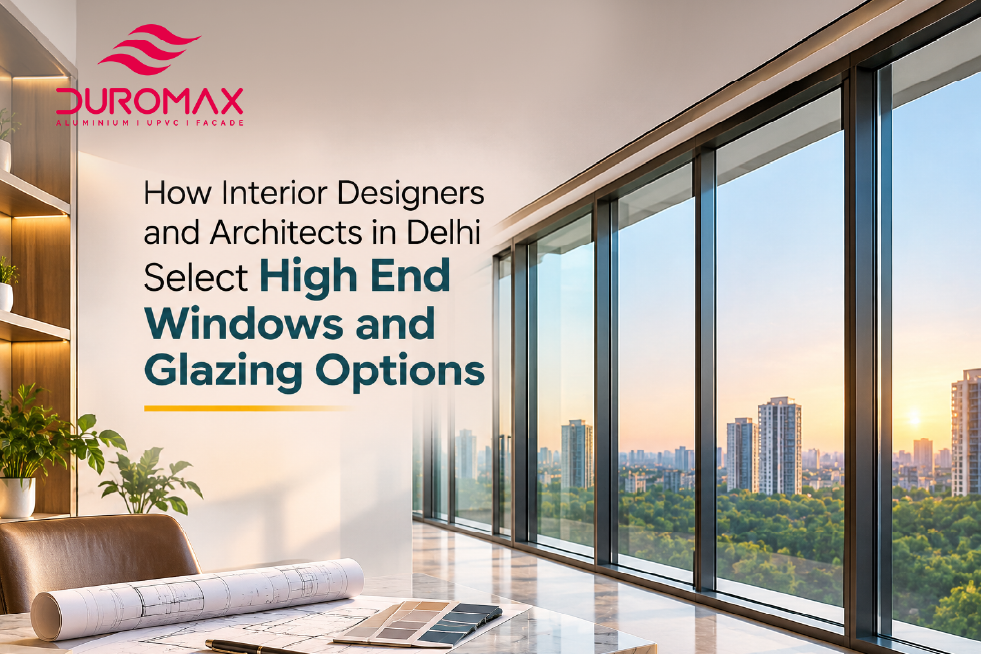
In most of the design offices these days, you would usually be able to find an old drawing which has a big glass wall, slim frames, has probably seen lots of daylight and has a small note in the corner that says supplier to be confirmed. People who have worked even on a few projects would know about the ending of these notes. Either the slim frame turns chunky over time or the glass gets swapped for something ‘cheaper’ or the final result is a compromise. That explains why windows get so much attention in design meetings. They cost a lot, visitors see them first and, once the walls are plastered, they are very hard to change.
Brief First, Brand Later
Good specifications usually need to start with a straightforward question about what the glass actually has to do. For a west facing office in Gurugram, the glass spends its afternoons fighting heat. Therefore, solar control comes first as well as the frame has to carry those big reflective panes without sagging. A flat next to a main road has a noise problem, which usually means laminated glass inside a double glazed unit with a well made edge seal. A hotel lobby wants huge flat sheets and sealant lines tidy enough to photograph.
Top architects Delhi firms work with tend to write this down before they open a single catalogue. Interior designers Delhi families hire for home work do the same, with more thought for feel. How does the handle sit in the hand? Does the sash close with a soft firm click? These little things decide whether people enjoy a house for years.
Where Projects Really Go Wrong
Rarely in the design. Mostly on site. A measurement taken in a rush. A frame fitted a few millimetres out of true. Sealant put on during a damp morning. A glass unit that arrives with a scratch and gets installed anyway because the crane was already booked for that day.
Top window manufacturers can stay clear of these problems without making much of a fuss about it. They tend to measure everything twice, they build to agreed tolerances and send fitters who care about how the finish looks”. When something does go wrong they are also there to answer the phone. When someone does that across enough projects and their reputation builds, that is when the experienced designers tend to always have those trustworthy two or three suppliers for years and skip the tender process on every job.
Phone Calls Beat Brochures
Ring another designer who has used the supplier. Skip the question of whether the windows were good. Ask what went wrong and how long it took to fix. People are surprisingly honest about this, and the answers sort suppliers faster than any rate comparison.
Visiting a finished project does the same job. Look at corners, sealant lines and how the sashes close. Ask the site contractor what the supplier was like during the tense week before handover, because that is when character shows up.
European Systems, Local Hands
On premium jobs designers often name a European system, with Schuco, Reynaers and Cortizo coming up most, and hire a local authorised fabricator to make and fit it. The system comes with tested performance figures. The fabricator knows local sites and the order in which things get built.
A handful of Indian manufacturers have put real money into their own systems, with proper press lines, thermal break technology and decent powder coating, and their profiles hold up well against imported ones. Others sell basic sections that suit ordinary jobs and struggle with large panes or exposed facades. Knowing which kind a supplier is saves a lot of trouble later.
Other Materials Still Count
Aluminium leads count though it is not alone. uPVC is common in mid range housing. Timber keeps its place in heritage work and boutique hotels because the warmth is hard to copy. Some villa projects try timber and aluminium composites, which look like wood inside and behave like metal outside.
Upkeep is the catch with timber. Delhi weather is tough on exposed wood, and that conversation usually happens with the client. Plenty of them end up choosing a well finished aluminium system once the maintenance picture is clear.
Habits Worth Copying
Fix the performance specification at design stage, right next to the facade concept, and not in a panic during construction. Ask for completed projects of similar size and go to see one. Keep a second supplier in mind for tight schedules. And watch the small details, since on windows the small details are most of the job.
Paperwork matters a lot too. Be it test reports, warranty terms and written delivery dates, they may feel dull in early conversations, but they are exactly what everyone reaches for once any sort of argument starts. Suppliers who hand these documents over without fuss tend to be the ones who also finish on time. Duromax Building Systems supplies windows and glazing for architects, interior designers and developers across Delhi NCR, from design stage through to installation.
FAQs
-
When should top architects Delhi projects fix the window specification?
Ans. At design stage, together with the facade concept. Leaving it late forces compromises in performance and schedule.
-
Why are top window manufacturers compared with European systems?
Ans. Systems from Schuco or Reynaers come with tested data on air leakage, water resistance and thermal performance, which generic profiles cannot match.
-
How do interior designers Delhi clients trust check a supplier?
Ans. They visit completed projects, ask other designers how problems were handled and look at measurement accuracy and installer quality.
-
What is the difference between solar heat gain and U value?
Ans. Solar heat gain shows how much sun energy passes through glass as heat. U value shows heat flow caused by temperature differences. Solar heat gain usually matters more on west facing facades.
-
What makes top window manufacturers stand out for top architects Delhi studios rely on?
Ans. Accurate measurement, tight tolerances, careful installation and quick response to defects, all proven on comparable completed work.
 How Interior Designers and Architects in Delhi Select High-End Windows & Glazing Options
 How to Choose the Best Laminated Glass Manufacturer for Sturdy and Secure Glazing
 An Overview of Aluminium Glass Railings for Contemporary Architectural Projects in Delhi NCR
 How to Pick a High-Rise Apartment Aluminum Window Manufacturer in Delhi NCR
 Georgian Bars Windows: Expert Guide to Modern Georgian Bar Aluminium Windows