Aug 10 2026
How to Choose Aluminium Windows Manufacturers in India for Your Project
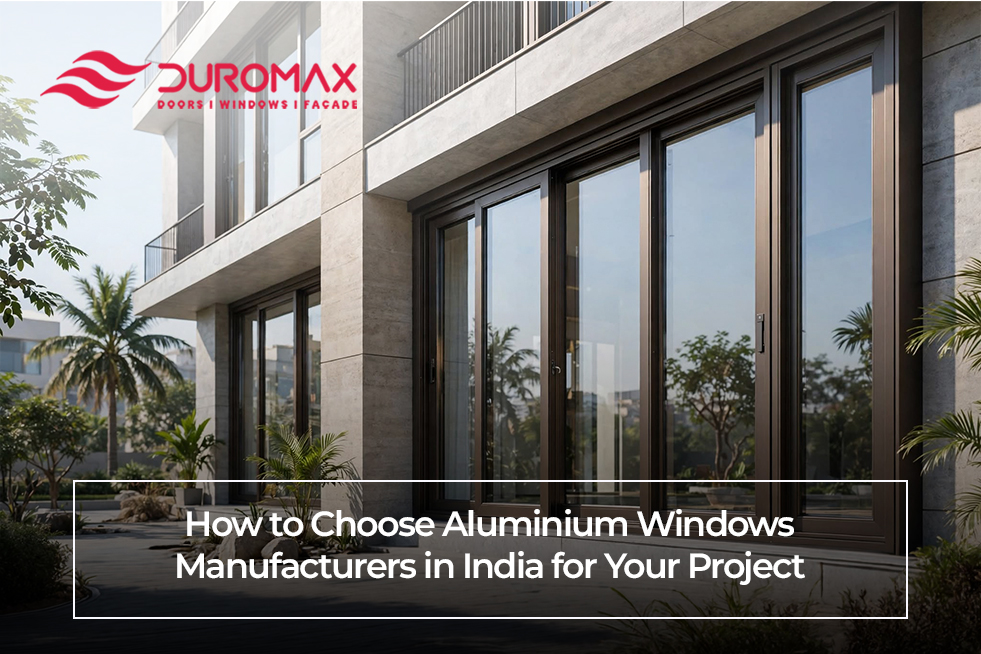
An architect in Gurugram described the frustration of a residential project that went sideways at the windows stage in a way that still irritated her two years later. The client had found a cheaper aluminium windows manufacturer in Delhi NCR, decided the savings were worth switching from the specified supplier and placed the order without telling her until the frames arrived on site. The profile dimensions were slightly off. The powder coat colour drifted from the specified shade. The gaskets compressed unevenly. Each of these things was small individually and together they added up to a fenestration package that required significant remediation to achieve the finish the drawings called for. The original specification had accounted for all of this. The alternative had not.
She said the lesson was not that clients should always spend more. It was that the conversation about which aluminium windows manufacturer in India to choose should happen with actual information rather than with brochures and price sheets.
What the Profile System Tells You
The aluminium profile system a manufacturer uses is the starting point for any serious evaluation. Profiles determine the thermal performance, the structural capacity, the glazing options available, the hardware compatibility and ultimately the visual outcome of every window the manufacturer produces. A manufacturer using profiles from a globally recognised systems house like Schuco is working within a framework that has been engineered, tested and certified to specific performance standards. The testing data exists. The performance claims are verifiable.
A manufacturer using generic or proprietary profiles makes performance claims that are harder to verify independently. This does not automatically mean the product is poor. It means the buyer carries more of the verification burden. Ask specifically which system or profile the manufacturer builds from. Ask to see the system supplier’s technical documentation. Ask whether the profiles in the specification match what will actually be fabricated rather than assuming the two are the same.
Quality Checks Before Dispatch
The gap between what a manufacturer produces in its best conditions and what consistently arrives on site is the gap that quality control is supposed to close. A manufacturer serious about quality checks finishes before dispatch rather than relying on site teams to identify problems after installation. This means checking profile alignment, glazing fit, hardware operation, powder coat uniformity and dimensional accuracy against the fabrication drawings before anything leaves the factory.
The aluminium window factory with a rigorous dispatch process can describe each step of that process specifically. The one without a rigorous process gives a general answer about ensuring quality. The distinction is worth probing during the supplier evaluation conversation rather than discovering it at the installation stage.
What Customisation Capability Reveals
The project that matches a standard window catalogue is the exception in high-end residential and commercial construction. Most serious projects require custom dimensions, specific colour specifications through powder coating or anodising, custom hardware selections and glazing specifications that differ from the default. The manufacturer with genuine customisation capability handles these requirements without difficulty. The one operating primarily from standard formats will accommodate some variation but will resist others, and the resistance sometimes only becomes visible after the order is placed.
Powder coating colour matching against an architect’s specification, anodising finishes across specific profile types and the ability to accommodate vertical retracting windows or lift-and-slide systems alongside standard casement configurations all indicate the range of a manufacturer’s actual production capability rather than their stated range.
The Installation Dimension
The best aluminium window profile in the world performs poorly when installed badly. The frame that is not level from the beginning will develop operational problems across seasons. The glazing that is bedded incorrectly will produce noise or water ingress. The hardware that is adjusted improperly at installation will be difficult to operate within months.
The manufacturer who also manages installation, or who has certified and trained installation partners, is taking responsibility for the full outcome rather than for the fabrication portion alone. The one who delivers frames and leaves installation to whoever the client has hired is providing half the product and hoping the other half goes well.
Duromax Building Systems in Gurgaon manufactures aluminium windows as a preferred Indian partner of Schuco, the globally recognised aluminium systems house, with nine strict quality checks before dispatch, customisation through powder coating and anodising and 100 plus prestigious projects executed across India. The product range includes Schuco AWS casement systems, sliding systems and Panora Vertical Retracting Windows through the Libart partnership.
 How to Evaluate a Sliding Door Manufacturer for Quality and Performance
  How to Choose Aluminium Windows Manufacturers in India for Your Project
  The Role of Aluminium Window Fabricators in Sustainable Green Building Projects
  How Lift and Slide Aluminium Doors Improve Energy Efficiency and Comfort
  Why Motorised Vertical Retracting Windows Are Replacing Bi-Fold Patio Doors in 2026