Aug 20 2026
How to Evaluate a Sliding Door Manufacturer for Quality and Performance
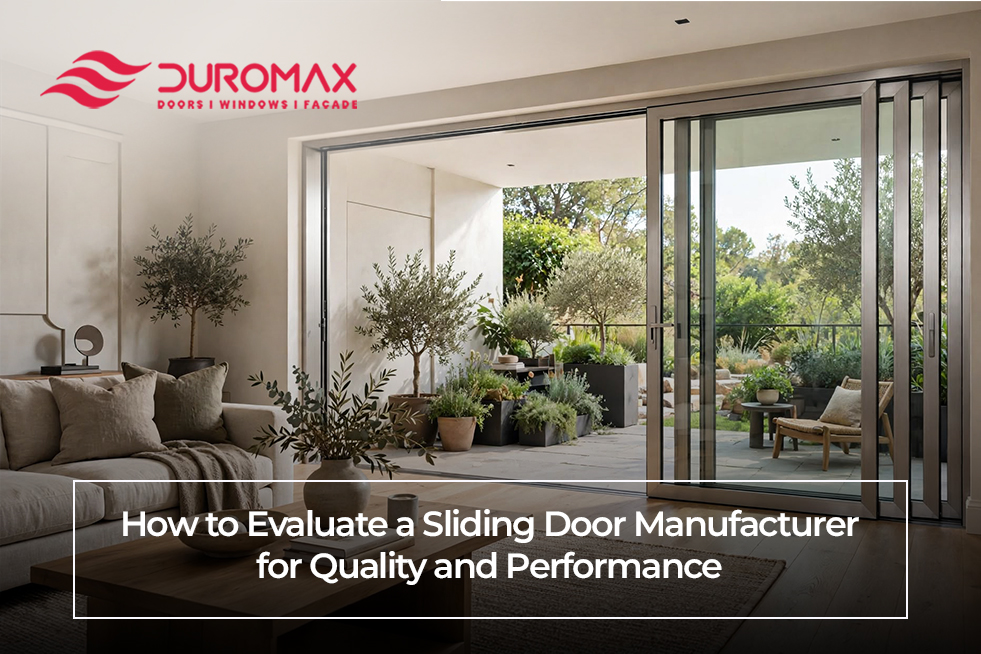
The sliding door that glides smoothly on the day of installation and develops a grinding resistance within the first monsoon season is more common than sliding door manufacturers in Delhi NCR tend to acknowledge in their marketing. The reasons are usually traceable to specific decisions made during fabrication or installation. Track profiles that are not adequately sealed against water ingress.
Rollers that are rated for a lighter glazing weight than the actual panel. Frame tolerances that allow the door to sit slightly out of plane, creating uneven roller loading. Hardware that looks appropriate but is not rated for the cycle frequency a busy residential or commercial installation demands. Each of these failures was preventable. Each represents a specification or quality decision that the right manufacturer would have made differently.
The Track and Roller System
The track is where sliding door performance lives over time. A track that is manufactured to consistent tolerances, sealed against water entry at the base and designed to drain any water that does enter, will function well across years of use. A track that admits water, pools it beneath the roller path and allows that water to sit against the aluminium and the hardware, will develop problems within a few seasons regardless of how well the door looked at installation.
Ask the sliding door manufacturer specifically what the track drainage system is. Ask what the bottom track profile is made from and what its wall thickness is. Ask whether the rollers are sealed bearing or open bearing and what their rated load capacity is relative to the actual panel weight in the specification. Glass door manufacturers who can answer these questions specifically are manufacturers who understand their product. Those who describe the track as high quality without specifics are describing it as a category rather than as an engineered component.
What the Frame Profile Determines
The frame profile in a sliding door determines the visual character of the installation, the glazing options available, the structural capacity of the door panel and the weather resistance of the junction between the frame and the opening. Narrow face width profiles, such as those in the Schuco TropTec and AS ICD systems, maximise the glass area visible in the opening and produce the contemporary slimline aesthetic that high-end residential and commercial projects typically specify.
Wider profile options produce a more substantial visual character and are sometimes structurally necessary for larger panel dimensions or heavier glazing. The specification should match the structural requirement rather than being chosen purely on visual preference. A panel that is visually slim but structurally inadequate for its size and glazing weight will develop deflection across its height over time that produces operational difficulty.
Hardware Quality as a Long-Term Indicator
Sliding door hardware, specifically the handles, locks and roller assemblies, is where the difference between a manufacturer building to a long-term performance standard and one building to a price point is most visible in use. Hardware that is rated for one hundred thousand open-close cycles will perform differently across five years of daily residential use from hardware rated for twenty thousand cycles.
Sliding screen door manufacturers Delhi NCR operating at the serious end of the market specify hardware with documented cycle ratings. The manufacturer who does not know the cycle rating of the hardware in their standard specification is either not specifying hardware at that level of detail or not communicating it. Either indicates something about how performance over time is being approached.
The Installation Standard
A sliding door that has been fabricated well and installed poorly will underperform from the beginning. The frame that is not plumb will have rollers operating under lateral load rather than pure vertical load. The gap at the meeting style that is not correctly set will admit air and water. The hardware that is not adjusted with the door in its final position will operate differently from how it operated in the workshop. The sliding door supplier who manages installation or certifies the installation partners who do it is taking responsibility for the outcome rather than only for the fabricated product.
Duromax Building Systems manufactures and supplies sliding doors in Delhi NCR as a preferred Indian partner of Schuco, offering the TropTec and AS ICD sliding systems with narrow face widths, high wind load resistance and options including multi-track, zero-level threshold and ninety-degree corner configurations. Nine quality checks before dispatch. 100 plus projects executed.
FAQs
1. What should the track system of a sliding door include?
Ans. Drainage for water that enters the track zone, consistent manufacturing tolerances, sealed bearing rollers rated for the actual panel weight and wall thickness adequate for structural stability. A good manufacturer can describe all of these specifically.
2. What is a zero-level threshold in a sliding door?
Ans. A threshold profile that sits flush with the floor level on the interior, removing the step between indoor and outdoor that standard threshold profiles create. It is particularly important for accessibility and for the seamless indoor-outdoor connection in high-end residential projects.
3. What cycle rating should sliding door hardware have?
Ans. Residential installations benefit from hardware rated for at least one hundred thousand open-close cycles. Higher-traffic commercial installations should use hardware rated above this. The manufacturer should know and communicate this specification.
4. What is the AS ICD sliding system from Schuco?
Ans. A high-performance aluminium sliding and lift-and-slide system with narrow interlock sections, options for zero-level threshold and multi-track configurations and high watertightness performance. It is used in premium residential and commercial projects.
5. Does Duromax supply sliding screen doors in Delhi NCR?
Ans. Yes, Duromax supplies sliding doors including screen door options across Delhi NCR as a preferred Schuco partner. Duromax has the product range and enquiry process.
 How to Evaluate a Sliding Door Manufacturer for Quality and Performance
  How to Choose Aluminium Windows Manufacturers in India for Your Project
  The Role of Aluminium Window Fabricators in Sustainable Green Building Projects
  How Lift and Slide Aluminium Doors Improve Energy Efficiency and Comfort
  Why Motorised Vertical Retracting Windows Are Replacing Bi-Fold Patio Doors in 2026